 Proil is a PETROYAG GROUP company
One of the most prominent concepts in the food industry in recent years is the “Clean Label” approach. As consumers increasingly prefer healthy, natural, and trustworthy products, the level of transparency expected from brands has also risen. This new mindset represents a holistic transformation that encompasses not only product content, but also the production, labeling, and communication processes.
Clean label is based on the principle of developing products that are natural, simple, easy to understand, and contain a minimal amount of additives. The main goal is for consumers to easily understand a product’s ingredients without encountering complex chemical terms.
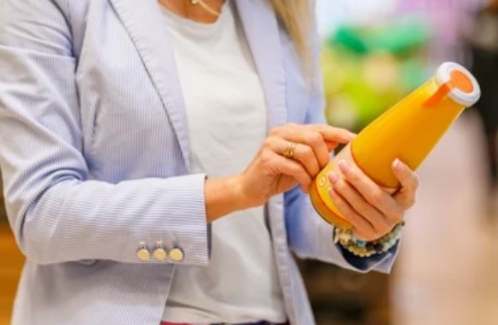
Characteristics of Clean Label Products
Products developed with the clean label approach typically:
• Prefer natural and plant-based ingredients.
• Use minimal artificial preservatives, colorants, and flavorings.
• Contain no or very limited GMO and synthetic additives.
• Are produced using minimal processing techniques to preserve product naturalness.
As a result, these products carry strong value in terms of both health and naturalness, as well as consumer trust.
Clean Label Product Development Process
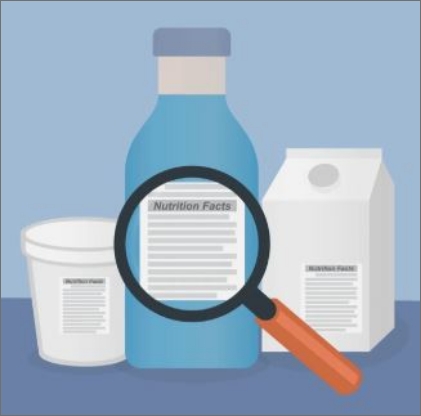
Developing a product in line with the clean label concept is not only about reducing additives, but also about restructuring the entire process — from production to label design. In this context:
• Revising the Formulation: Artificial additives are removed, and simpler, more natural ingredients are preferred.
• Using Natural Alternatives: Synthetic preservatives are replaced with natural solutions such as plant extracts (e.g., rosemary extract, natural acids).
• Minimal Processing Techniques: Production methods that preserve product quality and naturalness are applied.
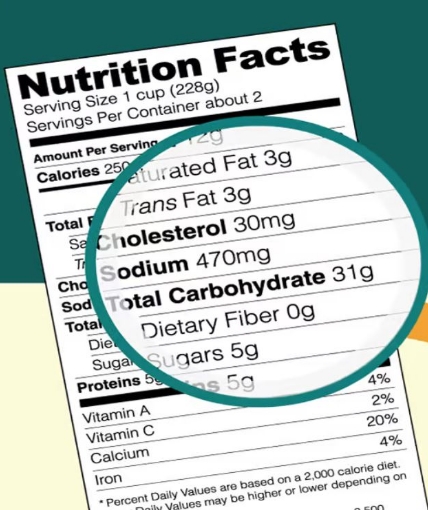
• Transparent Labeling: Clear, honest, and easy-to-understand ingredient information is provided to consumers.
• Quality and Safety Standards: Full compliance with international food safety standards such as HACCP and ISO 22000 is ensured.
Challenges and Solutions
In clean label production, certain technical and financial challenges may arise. Removing additives can shorten product shelf life, and using natural ingredients may increase costs. However, through R&D efforts, next-generation natural components, and advanced production technologies, these challenges are being overcome—making it possible to develop products that are both healthy and durable.
Conclusion: A Transparent, Natural, and Trustworthy Future
Clean label is not just a trend in the food industry; it represents a new standard based on transparency, naturalness, and trust. While meeting consumer expectations, it also provides brands with a strong competitive advantage.
At Proil, we embrace this philosophy by integrating clean label principles into our product development processes and sustainable production practices, positioning the clean label approach at the very heart of the future of food safety.